NCOI opleiding business development 2021
Hoe lange termijn groeiopportuniteiten vinden, selecteren en ontwikkelen?
Leer meer tijdens deze NCOI - strategische opleiding business development
![[Commercial innovation] Why are business ecosystems suddenly such a hot topic?](https://images.squarespace-cdn.com/content/v1/56f53cf6b09f955f052e3847/1587549181355-FNS50J4RZM7T4B0BS56S/%5BNewRulesofCompetitiveAdvantage%5D+Ecosystems.JPG)
[Commercial innovation] Why are business ecosystems suddenly such a hot topic?
[Commercial innovation] About the Rise of [Eco-systems] to create [Competitive Advantage]. Interesting article from Julian Birkinshaw, who is Deputy Dean and Professor of Strategy and Entrepreneurship at the London Business School. Published in HBR, August 08, 2019
Interesting article about the Rise of [Eco-systems] to create [Competitive Advantage] from Julian Birkinshaw, who is Deputy Dean and Professor of Strategy and Entrepreneurship at the London Business School.
![[OldRulesofCompetitiveAdvantage]-HowtoBuildaMoat.jpg](https://images.squarespace-cdn.com/content/v1/56f53cf6b09f955f052e3847/1587547920400-BTAN5PVWF467IJWHU3C6/%5BOldRulesofCompetitiveAdvantage%5D-HowtoBuildaMoat.jpg)
New Rules: Ecosystem Thinking
The rapid growth of business ecosystems in recent years challenges this ‘Deep Moat’ -thinking. Most of the ecosystem orchestrators, like Google, Alibaba, and Uber, don’t make the things they sell; they exist to link others together, and this makes the old positioning-based logic less relevant. And, of course, they don’t have many assets, either. They create value through relationships and networks, not through physical goods or infrastructure, so arguments built around asset ownership are equally challenging. These firms are also looking to grow the market — by increasing the flow of people and goods — rather than to capture as much of the existing market as possible.
The Old and New Rules of Competitive Advantage
Old Rules: Deep Moats
The moat is what protects the business from competitors. Sometimes it is based on access to a scarce resource or ownership of a patent, sometimes it is based on customer loyalty and a strong brand, and sometimes it is an artifact of government regulation.
![Thrust - [Business Ecoystems]](https://images.squarespace-cdn.com/content/v1/56f53cf6b09f955f052e3847/1587549047555-XDOOKZQ499LNF4JOP0HK/%5BNewRulesofCompetitiveAdvantage%5D+Ecosystems.JPG)
Thrust - [Business Ecoystems]
![Thrust - [Business Eco Systems -Keep customers flowing in]](https://images.squarespace-cdn.com/content/v1/56f53cf6b09f955f052e3847/1587551101531-SCOK6UKVRFE6FHPWU27B/Thrust+-%5BBusiness+Eco+Systems%5D+Keep+customers+flowing+in.jpg)
Thrust - [Business Eco Systems -Keep customers flowing in]
Some advice for what to focus on
Keep customers flowing in - You need to give people a reason to participate in your eco-system
Give people a reason to stick around - A vibrant ecosystem is one where participants gain value in multiple ways
Don’t steal your partners’ business - Operate as an ecosystem where all participants have an opportunity to prosper
Keep evolving - One huge benefit of being an ecosystem orchestrator is privileged access to information about the entire ecosystem. The smarter approach is to use this information to keep things moving — to open up new markets, and to do this quicker than your competitors.
Ecosystems challenges
This ecosystem-based approach to strategy isn’t for everyone.
As a way of working, it is inherently more stressful and chaotic than the more traditional moat-based approach.
It attracts a lot of challengers.
The split between the worlds of moats and turnstiles isn’t absolute
![Thrust -[Business Eco Systems] TheWayofWorkingismoreChaotic.jpg](https://images.squarespace-cdn.com/content/v1/56f53cf6b09f955f052e3847/1587551606190-BT23DA762NX8KJQT0MJV/Thrust+-%5BBusiness+Eco+Systems%5D+TheWayofWorkingismoreChaotic.jpg)

De toekomst van sales?
Welke veranderingen en transformatie zullen nodig zijn om de salesfunctievan een onderneming future-proof te maken?
“De toekomst van sales: digitaal, remote, inbound, zelf-service en de invloed van eco-systemen... Sales zal nooit meer hetzelfde zijn!”

Zal de invloed van de gezondheidscrisis ingrijpend en blijvend zijn?
De positieve zijde van deze crisis!
De gezondheidscrisis dwingt ondernemingen om sneller actie te ondernemen. Voorziene veranderingen of overwogen transformaties in sales en marketing worden plotseling veel sneller omgezet van ideeën naar concrete realisaties.
Welke veranderingen en transformatie zullen nodig zijn om de salesfunctie van een onderneming future-proof te maken?









Klanten grijpen de macht!
Een van de belangrijkste veranderingen in marketing en sales van de afgelopen jaren is de machtsverschuiving naar de klant. Daarom zal elk bedrijf zich moeten aanpassen en de klanten en prospecten fundamenteel anders moeten benaderen.
Customer centricity & digitale klantrelaties
Van outbound naar inbound!
“Buyers don’t want to be prospected, demo’d, or closed in your SALES process.
They want to be educated, supported, and guided through their BUYING process.”

“As a salesperson, you have more skin in this game than anyone else at your company”
Inbound marketing is het proces voor het aantrekken van prospecten, het engageren en het ‘delighten’ van klanten. Performance (content) marketing staat centraal: voor het empoweren van prospecten, het uitbouwen van lange termijn relaties met klanten/ publiek, het creëren van waardevolle content die zowel vermaakt als onderricht.

Inbound sales calls verhogen de slaagkans
Marketing automation tools helpen bij dit proces dat marketing, sales en customer service integreert. Het is belangrijk om de rollen van éénieder in dit proces te bepalen.
Alignering marketing & sales!
Het is voor heel wat bedrijven steeds een goede keuze wanneer ze besluiten te investeren in het verbeteren van de onderlinge samenwerking en [alignering van marketing en verkoop].
Marketing en verkoop vloeien in elkaar over. Er is geen duidelijke scheidingslijn meer. Daardoor is het complexer om te bepalen wie welke rollen heeft ten aanzien van de klanten.
Het is echter belangrijk om, ondanks de duidelijke verschillen tussen marketeers en salesmedewerkers, de problemen op te lossen die ontstaan in de ‘interface’ tussen marketing en verkoop. Deze wederzijdse afhankelijkheid (‘interface’) is namelijk de sleutel tot superieure ‘customer value’.

Centraal staat de klant en het koopproces
zelf-service!
Zelf - service wordt één van de belangrijkste speerpunten bij het herbekijken van het volledige verkoop’systeem’: hoe zullen bedrijven er voor zorgen dat klanten en prospecten nog meer online en op eigen snelheid geholpen en geïnformeerd kunnen worden voor een aankoop, om antwoorden te vinden op hun vragen, over geschike oplossingen, om te leren, om zich te engageren.
Zelf-service zal nog belangrijker worden en het mogelijk maken dat salesmedewerkers pas worden ingezet wanneer het er echt toe doet.
Met zelf-service wordt het allemaal efficiënter en kan hetzelfde bereikt worden met minder mensen.

Ecoystemen als middel om concurrentieel het verschil te maken
innovaties snel in de markt!
[Innovaties] zijn alleen succesvol wanneer ze ook succesvol commercieel worden gelanceerd [go-to-market].
Bedrijven die innovaties met intensieve ondersteuning commercieel sneller in de markt kunnen brengen, zullen het op termijn duidelijk beter doen dan hun naaste concurrenten.
Om innovaties succesvol in de markt te kunnen zetten moet een commerciële aanpak op maat worden uitgewerkt.

Het belang van intensief trainen van salesmedewerkers bij lancering van innovaties
Pods en agile organisatie!
[Sales organisatie] Sales zal anders georganiseerd moeten worden. De kernvraag is of de ‘klassieke verzuiling’ met aparte silo’s, marketing - sales - customer service, nog overeind zal blijven.
Bepaalde bedrijven werken al met ‘pods’ die bestaan uit inside sales, field sales, customer success en technical sales. Deze zouden nog uitgebreid kunnen worden door connecties te maken met marketing.
Slimme bedrijfsleiders zijn bezig om de marketing- en salesorganisatie nog verder te transformeren tot een agile organisatie.

Customer success managers overstijgen de klassieke grenzen
data science marketing!
Marketing en verkoop zullen voor een groot gedeelte digitaal verlopen en [data science marketing] zal in de nabije toekomst voorschrijven wat er precies moet gebeuren om succesvol te verkopen, klanten te behouden en actief te betrekken als ambassadeurs.

Klanten grijpen de macht!
Klanten centraal!
Ondernemingen van de toekomst stellen de klant helemaal centraal [customer-centricity] en verwachten dat klantrelaties sterk gedigitaliseerd zullen zijn.
Inbound marketing en inbound sales
“Inbound is all about providing a helpful, human, and holistic experience to anyone who interacts with your company in any way. ”
Omdat klanten graag zelf het initiatief willen nemen en de leiding willen behouden over het eigen koopproces, zijn [inbound marketing] en [inbound sales] belangrijk als kernprocessen in verkoop. Aan de basis liggen [customer personae], [customer journeys], en [value propositions].

Inbound marketing om prospecten aan te trekken en klanten te engageren
Inbound sales is het proces om toekomstige klanten te identificeren, met hen te connecteren, individuele noden en wensen te exploreren en te adviseren over oplossingen. Salesmedewerkers hebben nieuwe skills en een andere mindset nodig. Ze leren werken in een aangepast verkoopsysteem.

Automatisatie: integratie marketing, sales en customer service
digitale sales!
[Digitale transformatie] is, ook in sales en marketing, één van de strategische prioriteiten voor elk zichzelf respecterend bedrijf. Maar veel bedrijven weten nog niet hoe ze dit moeten realiseren.
Digitale marketing en digitale sales (coaching en communicatie) tools zullen overal aanwezig zijn.

Sleutel tot succes: alignering marketing & sales
“‘Senior managers often describe the working relationship between Sales and Marketing as unsatisfactory. The two functions, they say, undercommunicate, underperform, and overcomplain’”
Het vertrekpunt in de relatie tot de klant, is niet het marketingproces of het salesproces. Centraal staat het koopproces van de klant en het is voor de klant niet belangrijk welk departement het initiatief neemt om te helpen.
Voor elke klant is het belangrijk dat de hele interactie en de verschillende contactmomenten met het bedrijf steeds vlot verlopen en dat er wordt geholpen.
Marketing- en salesdepartementen die goed op elkaar zijn afgestemd zijn bovendien kostenbesparend.

Klanten helpen zichzelf en … de onderneming
Eco-systemen!
Bedrijven zullen zich ook realiseren dat [ecosystemen] , met intensieve co-creatie [service design] en samenwerking met klanten, bedrijven, leveranciers en andere partners [strategische partnerschappen], een essentieel onderdeel zullen zijn van hun bedrijfsstrategie om onderscheidend te zijn ten opzichte van de concurrentie.

Sleutel tot succes: innovaties die snel en met de nodige ondersteuning worden gelanceerd
Het is belangrijk om alle marketing en salesmedewerkers intensief te trainen en te coachen bij de lancering en om problemen bij de lancering snel te kunnen oplossen.
Het bonussysteem moet worden aangepast in functie van de lancering.

Einde van het werken in Silo’s?

Agile salesorganisaties
Customer success management!
Nieuwere functies zullen nog meer aan belang winnen zoals customer engagement manager, customer succes manager, loyalty program manager. Al deze nieuwere functies zijn nauw verbonden met sales en marketing en het zijn vaak ex - marketing- of salesmanagers en andere werknemers met saleservaring die in deze functies terecht komen. Deze functies overstijgen de klassieke marketing, sales, communicatie, en customer service indeling.
![[Covid-19] The new normal for companies after Covid-19](https://images.squarespace-cdn.com/content/v1/56f53cf6b09f955f052e3847/1587640934806-1R827983ICMO1MDPEC37/McKinsey+The+New+Normal.jpg)
[Covid-19] The new normal for companies after Covid-19
The new normal for companies after Covid-19.
The future is not what it used to be: thoughts on the shape of the next Normal.
The new Normal
““The future is not what it used to be: Thoughts on the shape of the next normal””

Distance is back
Resilience and efficiency
The rise of the contact-free economy
More government intervention in the economy
More scrutiny for business
Changing industry structures, consumer behavior, market positions, and sector attractiveness
Finding the silver linings
![[Covid-19] Changing consumer behavior in different countries](https://images.squarespace-cdn.com/content/v1/56f53cf6b09f955f052e3847/1587639926295-0HCLOHWZQXS24QQDVV2M/BCG+-+consumer+cancellations+of+typical+activities.png)
[Covid-19] Changing consumer behavior in different countries
Interesting article about changing consumer behavior related to the Corona crisis and the following recovery. Predictably, consumers’ willingness to resume activities—even at a minimal level—tends to be closely correlated with their views on when the virus is under control.
[Covid-19] Changing consumer behavior in different countries during covid-19. How do consumers react and what do they think about the restart / future?
The impact of health and safety measures
As companies look ahead, many are considering adopting various health and safety measures to encourage customer reengagement after the lockdowns. Many consumers say that such changes would favorably influence their readiness to resume activities, suggesting that introducing the right health and safety measures could accelerate recovery.
Social distancing, the availability of hand sanitizers, and regular antiviral cleaning are the options that most increase consumers’ likelihood of resuming daily activities.

“Interesting article about changing consumer behavior related to the Corona crisis and the following recovery. Predictably, consumers’ willingness to resume activities—even at a minimal level—tends to be closely correlated with their views on when the virus is under control.”

Various health and safety measures to encourage customer reengagement
![[Covid-19] trajectories vary widely. Win the fight, win the future.](https://images.squarespace-cdn.com/content/v1/56f53cf6b09f955f052e3847/1587624477923-QJJZPBXLLDNR4KIUUAKJ/BCG+-+5+questions+will+shape+economic+outcomes+-+Scenarios+Corona+.png)
[Covid-19] trajectories vary widely. Win the fight, win the future.
5 questions will shape economic outcomes
It is possible to draw conclusions from these outcomes and define three distinct phases: flatten, fight, and future
5 questions will shape economic outcomes
It is possible to draw conclusions from these outcomes and define three distinct phases: flatten, fight, and future
Many leaders are asking the same questions:
How should I forecast my revenues?
How should I adjust my budget?
When will this be over, and when will we return to “normal”?
Distinct phases
First, there is the “Flatten” phase, in which countries or cities lock down to flatten the virus’s exponential growth curve. Second comes the “Fight” phase, during which a geography “Restarts” its economy while maintaining a low rate of infection, while still running the risk of having to implement further lockdowns. Finally, we are anticipating a “Future” phase, which begins only after a vaccine or highly effective treatment has been developed and deployed
Each potential scenario will be characterized by five outcome measures
How long is the Flatten phase?
How deep does the Flatten phase go?
How long is the Fight phase?
How deep does the Fight phase go?
What level will the economy achieve during the Future phase?
“Interesting article about what we can learn from crises like the Corona Crisis to restart and restore”

The impact of a pandemic on the economy
To understand what the future might hold and how we can shape those outcomes, we need scenarios to bound the uncertainty and help us understand the underlying drivers of outcomes. While COVID-19 trajectories vary widely, it is possible to draw conclusions from these outcomes and define three distinct phases: flatten, fight, and future.

![[Covid-19] How companies can respond to protect their company?](https://images.squarespace-cdn.com/content/v1/56f53cf6b09f955f052e3847/1587556967392-1TNE2PFCTNPN0SZ36UV9/Bain%26Company-How+to+protect+Cash.jpg)
[Covid-19] How companies can respond to protect their company?
[Covid-19] How companies can respond to protect their company during Covid-19. About war rooms, critical questions about, for example, the stability of the customer base, cash protection, etc.
[Covid-19] How companies can respond to protect their company during Covid-19. About war rooms, critical questions about, for example, the stability of the customer base, cash protection, etc.
Bain & company. Interesting article from Andrea Yandreski and Simon Henderson, April 09, 2020
Act now
Immediate steps to address liquidity:
Step 1: Create a central cash war room - The CFO leads the cash war room with a team drawn from treasury, sales, purchasing and human resources. A war-room approach enables rapid, real-time decision making and focuses leadership teams on the most urgent liquidity needs and cash-preservation actions.
Step 2: Develop a single view of your liquidity position and outlook - Create a 13-week cash-flow forecast This diagnoses the severity of your current position
Step 3: Launch decisive actions to preserve cash - Implement immediate mandates to reduce spending. Act quickly, understanding that speed is essential and initiatives can be temporary.
Step 4: Control all cash outflows - Initiate daily spending review sessions to challenge all purchase requests and instill a ruthless cash-preservation mindset across the organization
What can we deny? Which outlays are not vital to operations and not yet committed?
What can we delay? Where do we have flexibility in timing or credit terms for required spending?
Should we invest? When is the business case for investment justified to enable continued operations?
Step 5: Prepare enterprise models based on different macro scenarios - Modeling helps the leadership team assess the company’s level of exposure, stress test the P&L and develop contingency plans. At a minimum, develop the best-case, base-case and worst-case scenarios. The worst-case scenario should envision a disastrous sequence of events.
Test
A few questions can serve as a litmus test of whether you have a clear view of your liquidity and cash position:
Are we testing the company’s ability to respond to a range of challenging scenarios?
With the current burn rate and cash position, how long could we continue to operate?
What additional sources of capital can we pursue, and what lead time do they require?
How stable is our customer base, and what share of the business comes from our largest customers?
How are receivables trending compared with the budget, considering both sales and payment terms?
Have we identified our most important suppliers, and are we putting their needs first?

How to protect Cash?
5 steps companies can take
![[Covid-19]: How can marketers and business leaders respond?](https://images.squarespace-cdn.com/content/v1/56f53cf6b09f955f052e3847/1591087716736-IXNZDBOB6D2BJSTH0FP7/%5BCovid-19%5D+Business%2Bleaders%2Bresponses.jpg)
[Covid-19]: How can marketers and business leaders respond?
How can marketers and businessleaders respond tactically to ensure a quick recovery after the pandemic and use available data from search engines?
How can marketers and businessleaders respond tactically to ensure a quick recovery after the pandemic and use available data from search engines?
At a Glance
Copious data from search engines and ad platforms can help marketers navigate a wise course during and after the pandemic.
Google Trends data showing demand for product categories in countries where the coronavirus has already peaked will predict demand shifts in other countries over the coming weeks.
Lower digital advertising costs allow marketers to recalibrate ad investment in order to accelerate sales after the crisis abates.
When marketing teams come up for air, they should analyze demand data from the previous financial crisis to broaden insights about their current audience.

Google Trends data serves as a fairly reliable predictor of consumer demand
Next responses
Harvest data now to relaunch your marketing plan later in 2020 - Broaden insights about current and potential customers, possibly through a third-party panel or media partner. Match your CRM or internal audience data to track changes in customer behavior over the previous month.
Assign a small team to analyze shifts in conversion and engagement rates over the past four to six weeks.
Put your owned assets in order by asking a few questions.
Fix the plumbing. In the course of day-to-day business, the rigor of certain marketing operations often slips. Now is the time to tighten standards again. Standardize campaign naming for ease of reporting and interpretation of results;

Marketers and business leaders respond to ensure a quick recovery after the pandemic
Ample Data, Often Free, Can Predict Consumer Behavior Through the Covid-19 Crisis
Publicly available tools help companies spot patterns in one country or region that will likely repeat elsewhere.
Bain&Company article from John Grudnowski, Blake Cuthbert and Justin Halim, April 09, 2020
![Bain&Company- [GoogleSearch]Datahelpspredict[ConsumerDemand].jpg](https://images.squarespace-cdn.com/content/v1/56f53cf6b09f955f052e3847/1587544098622-S7QVZYOFO66TX7OJCL1U/Bain%26Company-+%5BGoogleSearch%5DDatahelpspredict%5BConsumerDemand%5D.jpg)
Responses
Use Google Trends as a leading indicator - Google Trends data serves as a fairly reliable predictor of consumer demand next week or month
Take advantage of lower digital ad costs - In the past two weeks, the combination of lower investment from advertisers and increased media consumption has led to a dramatic decline in cost per thousand impressions (CPM). Companies whose products are in higher demand can achieve tremendous reach connecting consumers to those products. Brands in industries that have suffered a falloff in demand can provide valuable customer communications or support the community through fundraising and awareness.

Match your CRM or internal audience data to track changes in customer behavior
“Questions:
How are our website and social assets performing? How can we reduce bounce rates and boost conversion rates by improving navigation and functionality? How can we enhance the mobile app experience to raise user engagement and retention?”
“Consumer demand has been shifting quickly in the wake of the pandemic. But the shifts are neither random nor unique. They happened somewhere else a few weeks ago. Search engine and ad platform data provide raw material for pattern recognition, allowing marketers to keep pace with or even anticipate the next turn of category demand.”
![[Covid-19] The rise of the [Healthy Building Movement]](https://images.squarespace-cdn.com/content/v1/56f53cf6b09f955f052e3847/1587543057152-8BG7W0Y2AG7S4CKFB09F/The+9+Foundations+of+a+Healthy+Building.png)
[Covid-19] The rise of the [Healthy Building Movement]
Humans have become an indoor species, so buildings have a major impact on our health. The rise of the Healthy Building Movement
Like it or not, humans have become an indoor species, so buildings have a major impact on our health. That's why the Healthy Building Movement is gaining momentum, say John Macomber and Joseph Allen.

Working knowledge
Working without concern
![Hubspot - [Inbound Marketing Certified]](https://images.squarespace-cdn.com/content/v1/56f53cf6b09f955f052e3847/1587200167944-VIUGSJORLVS6F79VRG94/HubSpot_logo-700x204.png)
Hubspot - [Inbound Marketing Certified]
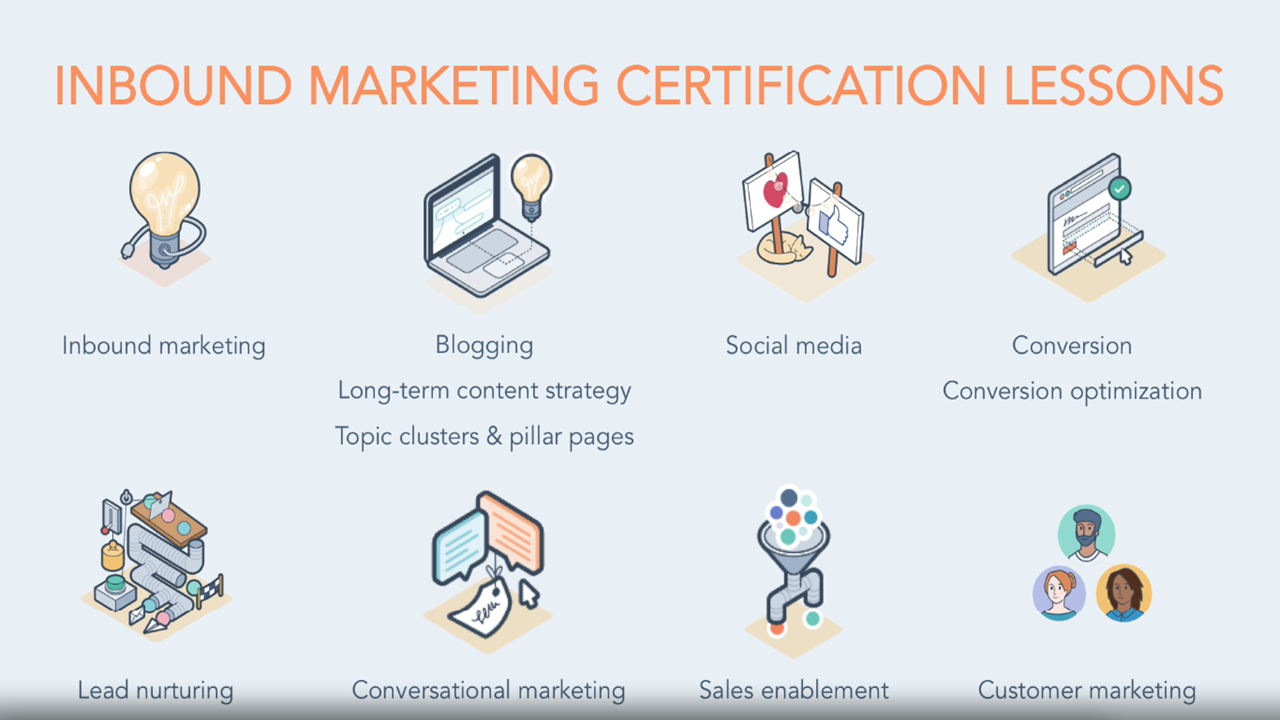
Since today I am officially Hubspot inbound marketing certified !
Since today I am officially Hubspot inbound marketing certified !
![Chris Delvaux THRUST -[certificate inbound marketing Hubspot].png](https://images.squarespace-cdn.com/content/v1/56f53cf6b09f955f052e3847/1587199851196-L7J7WQYKQXGQ36WEHS8Y/Chris+Delvaux+THRUST+-%5Bcertificate+inbound+marketing+Hubspot%5D.png)
![[Future-proof sales] 4. Engage customers](https://images.squarespace-cdn.com/content/v1/56f53cf6b09f955f052e3847/1586933293262-QTSLGKV5FE8S44UX6E42/%5BFuture-proof+sales%5D+4.Engage+customers.PNG)
[Future-proof sales] 4. Engage customers
Four steps explain how to engage customers.
Digital, inbound marketing is the way to go.
Now is the right time to serve and engage customers.
But the way in which this is done can provide a distinctive advantage over the competition.
Four steps explain how to engage customers.
Digital, inbound marketing is the way to go.
Now is the right time to serve and engage customers.
But the way in which this is done can provide a distinctive advantage over the competition.
![[Thrust Infographic] 4. Engage customers.png](https://images.squarespace-cdn.com/content/v1/56f53cf6b09f955f052e3847/1586356554866-FAGCZ77NB6H2T9WO7PVD/%5BThrust+Infographic%5D+4.+Engage+customers.png)
![[Future-proof sales] 3. Convert into customers](https://images.squarespace-cdn.com/content/v1/56f53cf6b09f955f052e3847/1586933412552-0AJYKLOXDRK06J2QZE8P/%5BFuture-proof+sales%5D+3.Convert+into+customers.PNG)
[Future-proof sales] 3. Convert into customers
Four steps explain how to convert into customers.
Digital, inbound marketing is the way to go.
Now is the right time for inbound sales.
But the way in which this is done can provide a distinctive advantage over the competition.
Four steps explain how to convert into customers.
Digital, inbound marketing is the way to go.
Now is the right time for inbound sales.
But the way in which this is done can provide a distinctive advantage over the competition.
![[Thrust Infographic] 3. Convert into customers.png](https://images.squarespace-cdn.com/content/v1/56f53cf6b09f955f052e3847/1586356453784-SE5Z0CKFTO43UEAOHWR2/%5BThrust+Infographic%5D+3.+Convert+into+customers.png)
![[Future-proof sales] 2. Nurture potential customers](https://images.squarespace-cdn.com/content/v1/56f53cf6b09f955f052e3847/1586933392927-PSCQ42CCB9MMX624MV50/%5BFuture-proof+sales%5D+2.Nurture+potential+customers.PNG)
[Future-proof sales] 2. Nurture potential customers
Four steps explain how to nurture potential customers.
Digital, inbound marketing is the way to go.
But the way in which this is done can provide a distinctive advantage over the competition.
Four steps explain how to nurture potential customers.
Digital, inbound marketing is the way to go.
But the way in which this is done can provide a distinctive advantage over the competition.
![[Thrust Infographic] 2. Nurture potential customers.png](https://images.squarespace-cdn.com/content/v1/56f53cf6b09f955f052e3847/1586356199815-FKZ8QHAVLDRO6ZWX3096/%5BThrust+Infographic%5D+2.+Nurture+potential+customers.png)
![[Future-proof sales] 1. Attract new customers](https://images.squarespace-cdn.com/content/v1/56f53cf6b09f955f052e3847/1586933365607-WK3PUW2OQCXFKH2ZTIUH/%5BFuture-proof+sales%5D+1.Attract+new+customers.PNG)
[Future-proof sales] 1. Attract new customers
Four steps explain how to attract new customers.
Digital, inbound marketing is the way to go.
But the way in which this is done can provide a distinctive advantage over the competition.
Four steps explain how to attract new customers.
Digital, inbound marketing is the way to go.
But the way in which this is done can provide a distinctive advantage over the competition.
![[Thrust Infographic] 1. Attract new customers.png](https://images.squarespace-cdn.com/content/v1/56f53cf6b09f955f052e3847/1586356118835-MTKXLV88L1RB8PF3K9ER/%5BThrust+Infographic%5D+1.+Attract+new+customers.png)
![[Future-proof sales] - How to develop a future-proof sales approach?](https://images.squarespace-cdn.com/content/v1/56f53cf6b09f955f052e3847/1586933334546-6US30VJR83A0HSQHT3FZ/%5BTHRUST+infographics%5D+Lead+generation.PNG)
[Future-proof sales] - How to develop a future-proof sales approach?
Four infographics explain how to develop a future-proof sales approach.
Digital, inbound marketing is the way to go.
Inbound sales at the right time.
Serve and engage customers.
But the way in which this is done can provide a distinctive advantage over the competition.
Read more in our upcoming blog posts!
Four infographics explain how to develop a future-proof sales approach.
Digital, inbound marketing is the way to go.
Inbound sales at the right time.
Serve and engage customers.
But the way in which this is done can provide a distinctive advantage over the competition.
Read more in our upcoming blog posts!
![[THRUST infographics] Lead generation.PNG](https://images.squarespace-cdn.com/content/v1/56f53cf6b09f955f052e3847/1586356023413-FL7LDIUA4LW9SPKW7ZCS/%5BTHRUST+infographics%5D+Lead+generation.PNG)
Talent Requires Teamwork: Four Characteristics of High-Performing Teams
High Performing teams: talent matters, but teamwork matters more.
Also highlights the importance of customer centricity and the presence of customer experts in the team.

Author: Dave Ulrich, LinkedIn blog, May 21, 2019

Stop Dismissing Incremental Innovation
Successful small-scale and incremental innovations
Companies with very large R&D budgets are incentivized to pursue expensive, large-scale innovation efforts that have the potential to become blockbuster new products—and that those projects receive the bulk of R&D funding. The problem with this high-risk, high-reward strategy is that it may not pay off.
Successful small-scale innovations: spend small, but focus that investment on marginal improvements in the most valuable brands, aimed at solving real consumer problems, that consumers value and would pay a little more for.
#innovation

Why CRM Projects Fail and How to Make Them More Successful
CRM serves to improve the sales process, not just to evaluate it
In 2017, CIO magazine reported that around one-third of all customer relationship management (CRM) projects fail. That was actually an average of a dozen analyst reports. The numbers ranged from 18% to 69%.
The primary reason they miss the mark in helping companies increase revenue is that CRM systems are too often used for inspection — to report on progress, improve accuracy of forecasts, provide visibility, predict project delivery dates, and provide a range of other business intelligence — rather than creating improvement in the sales process. Front-line sales professionals and managers rarely find the majority of these capabilities useful in winning more business for the company.
Re-think your CRM as a tool to increase revenue
Integrate your marketing efforts with sales activity
Managers provide coaching to improve, not reporting to inspect
#crm #salesmanagement

When Sales and Marketing Aren’t Aligned, Both Suffer
Dangers when sales and marketing aren't aligned
Danger #1: Misaligned goals demotivate
Danger #2: Misaligned goals signal unnecessary difficulty
Danger #3: Salespeople will find the resources to achieve goals, at a cost
